Early in our careers, we had a moment that we still think about often. It started with an energetic phone call from a coach starting a new baseball organization. They were starting from scratch and needed everything. Uniforms, fan gear, helmets, bags, hats, fundraising options — everything. It wasn’t anything we weren’t capable of doing; in fact, we handled a lot of different teams at the time. After that call, we went to work. Over the next month, we worked closely with their board. Jerseys were designed carefully, with cost, performance, and style all in mind.
We designed our fan gear with both premium name-brand options and budget-friendly options, knowing firsthand how much families already spend on travel, equipment, and fees. We held uniform fittings after hours and even went to practices, making it easier for coaches and families. When the season kicked off, everything went smoothly. Uniforms on time, fan gear crushed it, thousands in fundraising! For a first-year program, we couldn’t have asked for a more successful campaign. Despite managing hundreds of other clients at the same time, we poured energy into making sure this group felt supported.
At the end of the season, we were surprised with a framed photo of the team. Every player had signed it, and the message read, “Thank you for making this season so wonderful. We couldn’t have done it without you.” They told us their plan to expand and move into a handful of softball teams and add a few more baseball age groups. We thought we surely were going to be along for their rise.
Then, months later, we opened social media and saw they were launching their new online store. Yes, they had grown significantly, just not with us. That moment was painful. Not just because we lost the business, but because we believed we had done everything right. In hindsight, that experience taught me one of the most important lessons of my career: Great execution does not automatically create long-term relationships.

The difference between a great season & a sustainable partnership
Since the beginning, I felt that to have a successful spring season, we only had to do a handful of things. Provide on-time uniforms, make the prints look cool, make the coach’s job easy, and provide fundraisers that work. But teams don’t stay loyal to the seasons; they stay loyal to relationships. Teams are constantly being approached by other vendors with better pricing, bigger promises, and new conveniences.
It’s that, “The grass is always greener on the other side,” mentality. If your perceived value exists only during the uniform order window, you’re replaceable, no matter how good the work was. What changed our business was realizing that year-round revenue doesn’t come from selling more products. It comes from staying relevant before, during, and after the season ends.
One of the biggest misconceptions in our industry is that sports teams are seasonal customers. The games might be seasonal, but the organization itself is not. Any good sports league is operating 24/7, 365. New athletic facilities pop up each and every year, and they are filled with young athletes from open to close. Teams training year-round is the new norm. Organizations also fundraise year-round, recruit year-round, and build their team culture year-round.
Once we started aligning our role to those organizations with those new realities, sales stopped spiking and crashing with the sports calendar. Instead of disappearing for six months, teams stayed with us in smaller, more consistent ways. That shift didn’t require more sales. It required more listening, planning, and executing.
Why always-on engagement beats one-time wins
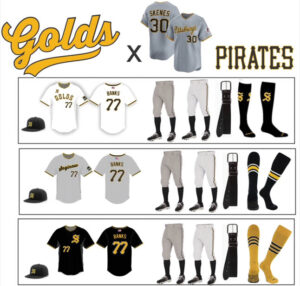 Early on, our interactions with teams were intense but short-lived. What I mean by that is that the team came in moments before the season started and needed jerseys yesterday. It was a mad dash to get artwork approved, sized, ordered, and produced all before the season started. It wasn’t hard — it’s what we did. We showed up strong during uniform season, then realized we quietly faded into the background once the last jersey was delivered. Maybe we chatted about online stores or fan gear after the season started, but it was not the organization’s focus. Their immediate needs were uniforms and then games.
Now, we treat uniforms as the beginning of the conversation, not the end. Uniforms reflect the culture that the organization is building, and we’re building the culture with apparel.
Year-round engagement can look like:
- Keeping team stores open longer, more frequently, or open all the time instead of shutting them down
- Using team emails to give updates on new available products
- Updating designs more frequently
- Checking in during the offseason with ideas, not sales pitches
- Offering support when teams need fundraising, not just when we need orders
Parents don’t buy everything at once. Coaches don’t think about apparel year-round. But when the option is always there, and the relationship feels active, orders happen naturally.
Training & lifestyle apparel create relevance outside of game day
One of the most important lessons we learned was that not all team apparel should look like spiritwear. Players want gear they can train in, and coaches want athletes looking unified during workouts. When you see professional athletes wearing matching training gear during pregame or practice, that is mimicked by youth athletes at all levels. Providing apparel is one thing — initiating a training look and concept in the offseason builds trust and helps secure partnerships.
Athlete parents want apparel that their kids will actually wear outside of games. By providing performance tees, lightweight hoodies, and joggers (all the things that youth athletes wear), we stayed connected to teams even when no one was thinking about uniforms. These items aren’t emotional purchases; they’re practical ones, and that makes them easier to sell year-round.
They also build culture within your team. Walking the halls wearing your team apparel as if you purchased it from a national retail chain creates a sense of belonging to a club, versus the same tired performance tee parents find on Amazon. When a team sees you as someone who understands how they operate day to day, not just on game day, trust deepens.
The team is bigger than the roster
 Another mistake we made early on was designing only for players. A roster might list 15 or 18 athletes, but every team has parents, siblings, grandparents, alumni, and fans who feel connected. Once we had a little more fun designing for siblings, grandparents, or coach-specific apparel, we got to act as the fly on the wall. The inside jokes that turn into apparel help cement you as a trusted part of the team. This is where technology has really helped. With DTF powering through the industry, it’s far easier to include fun one-off sister designs or Team Grandpa logos than it is for screen printing.
These pieces don’t scream “team merch,” but instead they yell “identity and pride.” They also bring in buyers who were never part of the original uniform conversations. When teams realize you’re thinking beyond the players, they stop viewing you as a vendor and start viewing you as an extension of their program. Because you are.
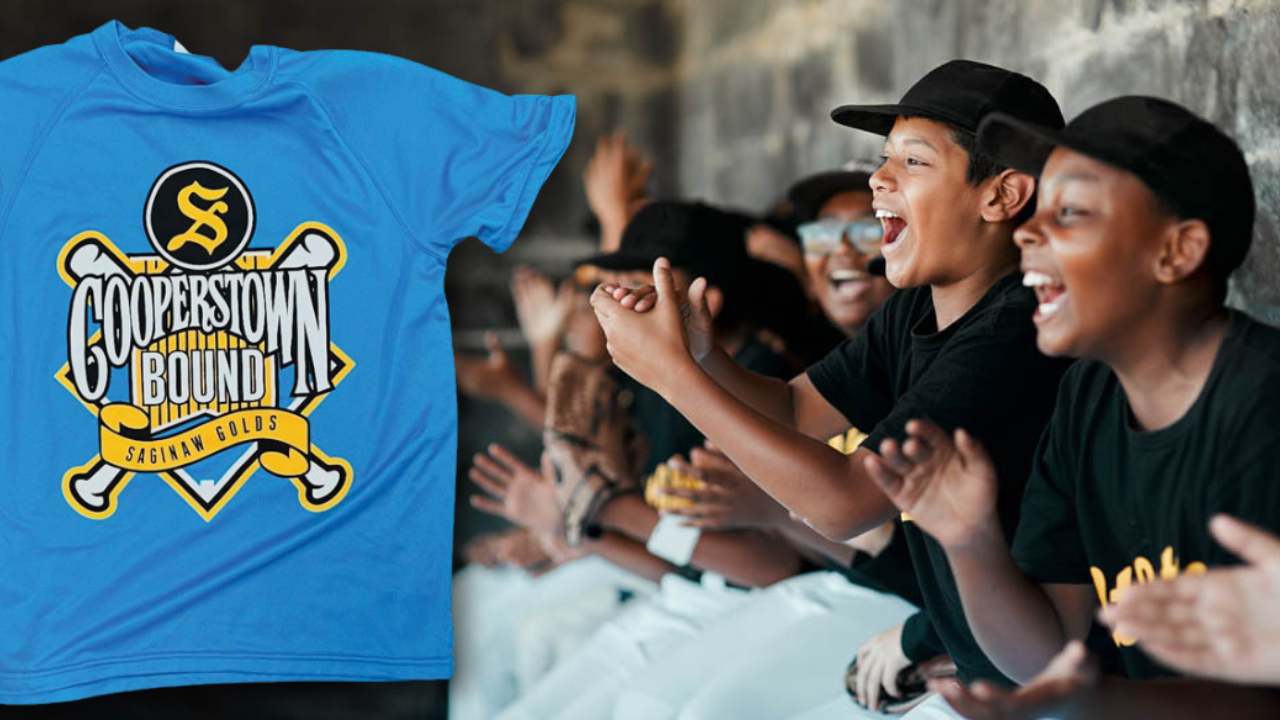
Some of our fastest-selling designs are tied to moments, not seasons. Think, a big trip to Cooperstown for the upcoming summer tournament. It’s a monumental memory. Provide a design and store before the organization asks. Think of opening day shirts, rivalry game hoodies, tournament weekend gear, senior night apparel, and postseason designs created on short notice. These drops don’t need to be large. They need to be timely. When apparel reflects what a team is experiencing right now, purchasing becomes emotional instead of transactional. And emotional purchases don’t require discounts.
Coaches & staff are the most undervalued relationship
For years, we underserved coaches. Coaches may have gotten the wheels moving, but their focus was solely on the kids. Now, we see staff apparel as one of the strongest relationship builders we have. Annual refreshes, preseason packages, and higher-quality pieces like polos and jackets go a long way. From an organizational standpoint, matching coaching gear symbolizes a cohesive organization built on unity. It speaks volumes from the outside looking in.
When coaches feel supported and represented professionally, they advocate for you often without even realizing it. They wear your work in front of other coaches, administrators, and parents. That visibility leads to organic growth you can’t buy.
Logos can be cool, but culture builds loyalty. Some of our strongest designs come from team sayings, inside jokes, or phrases that reflect how a group operates. These aren’t generic; in fact, they are specific and earned. When players and coaches feel ownership over apparel, they wear it more. When they wear it more, parents notice. When parents notice, the relationship strengthens. Culture-driven apparel doesn’t just sell — it connects.
Why we lost that team & what it taught us
Looking back at the team that left us, the issue wasn’t pricing or quality. It was perception.
They didn’t feel a partnership forming. They felt like they were just buying uniforms. We delivered a great season, but we didn’t clearly communicate what came next. We didn’t frame the relationship as ongoing. Another company did. That loss reshaped how we approach every team today. The long game is the only game. Even with strong relationships, teams will sometimes leave. It could be pricing changes, new connections happen, promises get made elsewhere, but when you consistently nurture relationships, most teams don’t leave, and the ones that do often come back.
Year-round revenue isn’t built by chasing more orders. It’s built by becoming harder to replace. When teams see you as someone invested in their success beyond the scoreboard, loyalty follows naturally. Uniforms might open the door, but relationships keep it open. And in this industry, that’s what turns a great season into a sustainable, successful partnership.