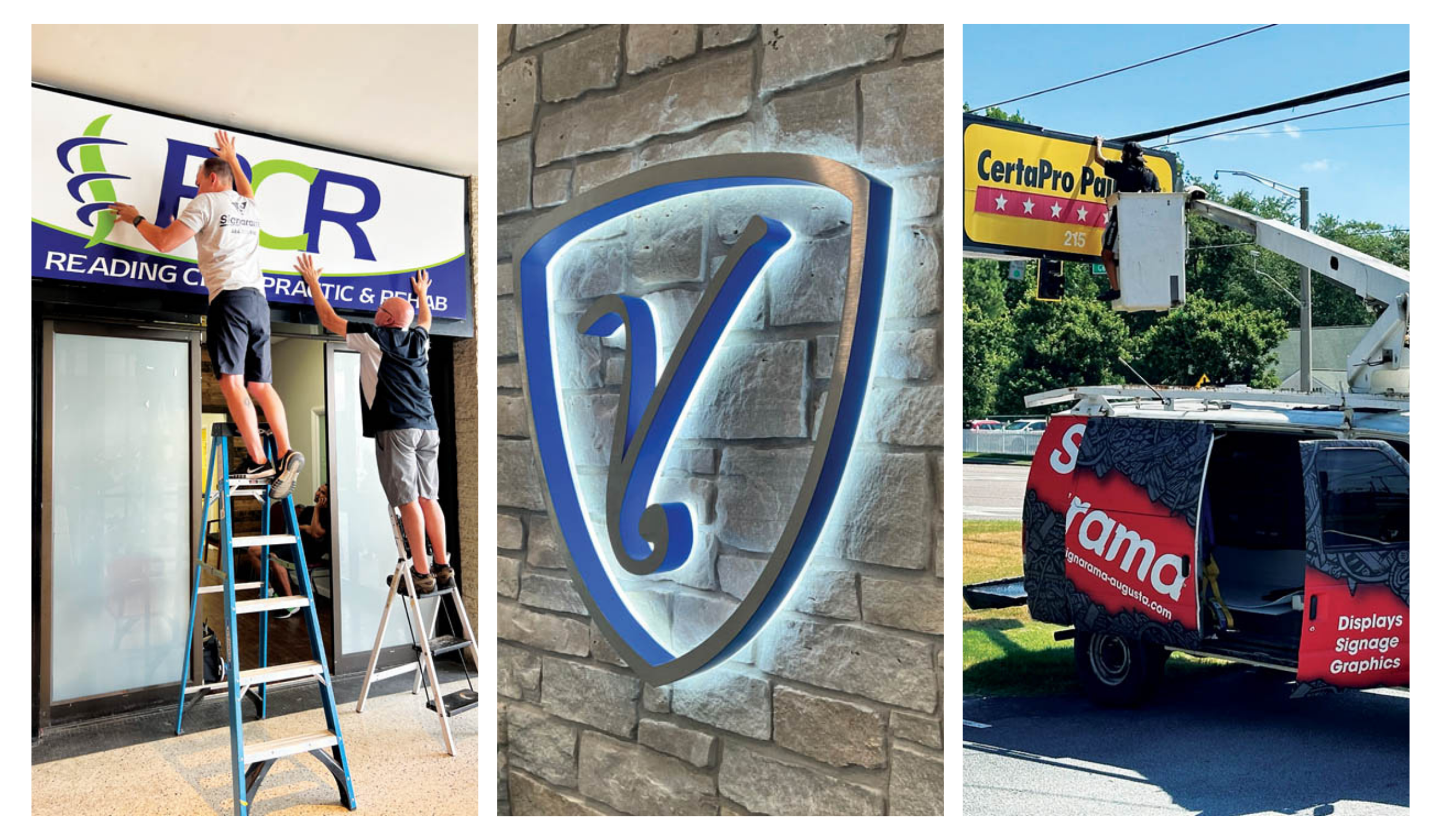
Sustainability used to be almost an afterthought in many business sectors. But as concerns about the environment have grown, technology has evolved to give us tools to make a difference in the planet’s future by using lower-impact materials and manufacturing processes. We can now offer signage solutions to the many clients for whom sustainability is no longer a “nice to have” but has become a standard expectation across nearly every industry.
Good stewardship can mean good business
Sustainable materials and processes can have real benefits to the earth. LED lighting and displays are more energy-efficient than LCD and incandescent counterparts, and digital signage saves trees and uses far less water and electricity than paper.
But offering fabrications that reduce a client’s impact on the earth can also be good for your bottom line. Analysts expect 15% to 20% annual growth in demand for solar-powered and augmented reality signs through 2026, according to Accio, a global B2B e-commerce network. Eco-friendly and sustainable signage solutions, including energy-efficient lighting, recyclable materials, and solar-powered displays, are gaining importance as businesses work to meet environmental norms, reported Business Research Insights. And companies are increasingly working with recycled plastics, biodegradable materials like bamboo, and sustainable metals such as recycled aluminum.
Health care organizations, schools, and municipalities are leading the charge, often driven by environmental policies or community commitments. Retail and hospitality brands are right behind them, wanting signage that reflects their corporate responsibility goals. The demand is both top-down from large corporations and bottom-up from community-conscious consumers.
Lower impact, higher demand & lower cost
 Five years ago, conversations about sustainability often focused on cost, with options seen as more expensive; perhaps they were, with so much less demand.
That’s changing quickly. Today, the conversation is about impact and alignment with brand values. Clients want to know how their signage choices contribute to a greener footprint. They’re asking smart questions about materials, production methods, and end-of-life recyclability. Sign shops have had to adapt quickly and smartly, offering solutions that meet those needs without compromising performance.
As more suppliers adopt eco-friendly materials, the costs have become much more competitive. Plus, businesses are recognizing the return on investment: lower maintenance, longer lifespan, and positive brand perception. When a company demonstrates environmental responsibility, it often strengthens customer loyalty and brand trust. So, while the upfront cost may vary, the long-term benefits are significant.
Material matters
The cost-effectiveness can be rendered insignificant without the right balance of eco-friendliness and durability. To get it right, look for materials that offer long life cycles and are easy to recycle at the end of use. For example, aluminum is both lightweight and infinitely recyclable, which makes it a great long-term investment. Work closely with clients to choose finishes and coatings that extend the life of the sign without adding environmental burden. The goal should always be to create something that lasts and looks great while doing good.
Options like aluminum composite panels, recycled acrylics, and sustainably-sourced wood perform exceptionally well, giving clients the durability they expect while reducing environmental impact. Fabric banners made from recycled polyester and UV-cured inks are also gaining popularity because they offer vibrant colors with minimal waste. What’s great is that these materials don’t just meet sustainability goals; they also deliver the professional, long-lasting quality that customers rely on.
The industry has come a long way; sustainability no longer means sacrificing quality. One of my favorite examples is a project that a Signarama location completed for a coastal community park. They used reclaimed wood, recycled aluminum panels, and UV-printed graphics to create wayfinding and educational signs. The result was beautiful, durable, and completely aligned with the park’s mission to protect natural habitats. It’s a great example of how creativity and sustainability can go hand in hand to make a lasting impact.
An eco-friendly future
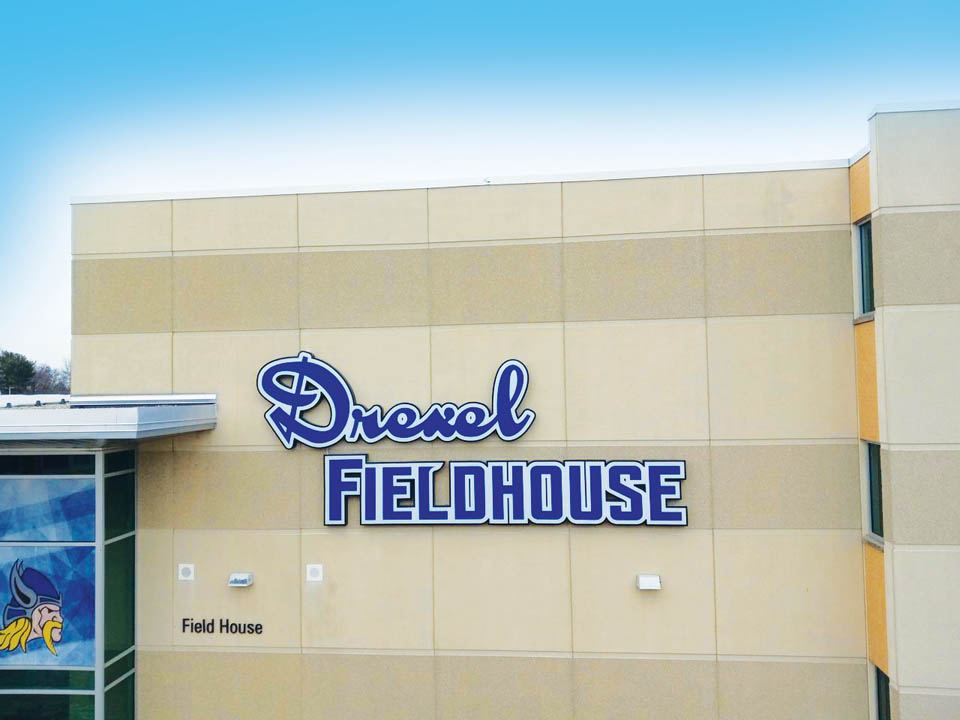
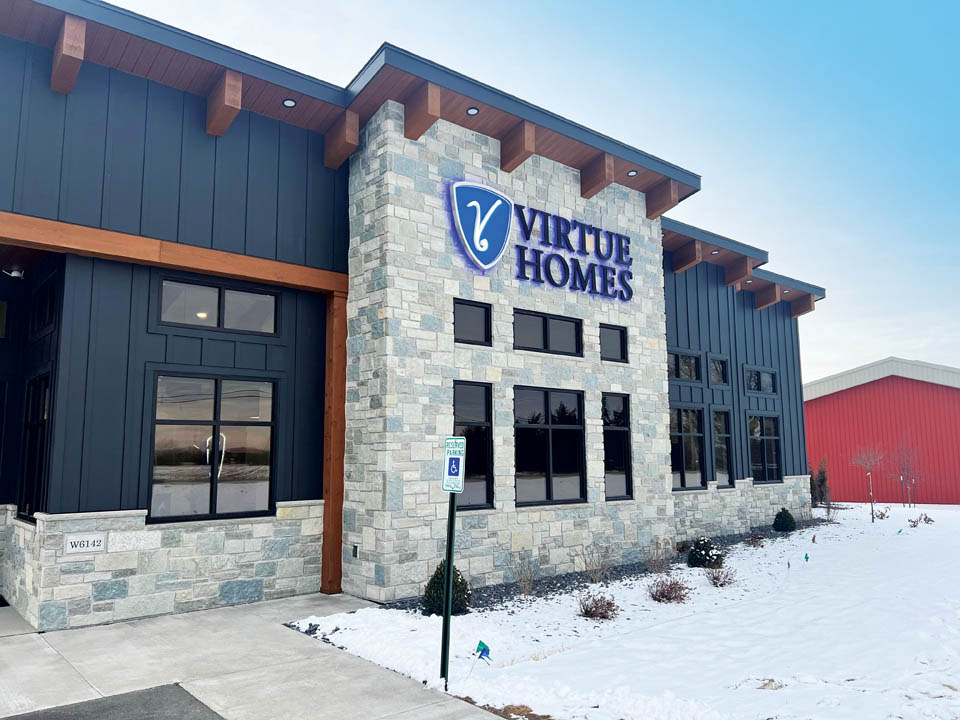
The future of sustainable signage is incredibly bright. We’re seeing ongoing innovation in bio-based materials and energy-efficient production methods. LED lighting has already revolutionized illuminated signage by cutting energy use dramatically, and new recycling programs are helping close the loop on material life cycles.
The most exciting part of the shift toward sustainability is how it brings out the best in everyone. Franchisees, suppliers, and customers can all work together to find smarter, cleaner, and more efficient solutions. Sustainability isn’t a trend; it’s a movement to create a new future for us and the planet. I’m proud to say our industry is helping to shape that future, one sign at a time